Okay, yaar, let's talk about the latest social media storm that's got everyone's chins wagging. This time, it's Ananya Panday and a dance sequence from her film, Chand Mera Dil, that's become the internet's latest punching bag. Honestly, it says less about her performance and a whole lot more about how we consume cinema these days.
The Viral Clip vs. The Full Picture
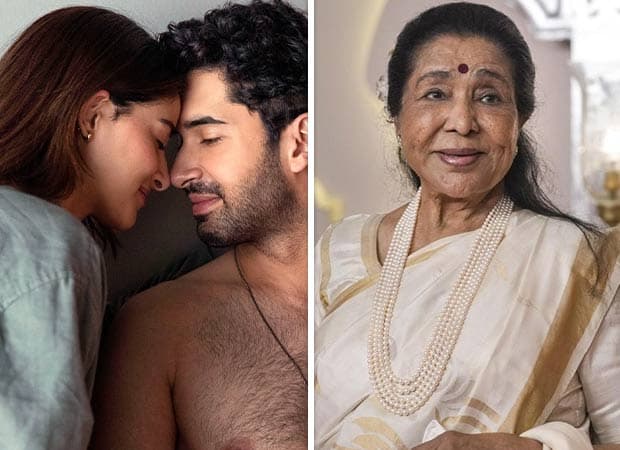
So, a few seconds of Ananya's Bharatanatyam-inspired moves from Chand Mera Dil started doing the rounds online. And boom! Before you could say "Bollywood," the comparisons began. Sridevi, Sai Pallavi – names synonymous with grace and classical perfection were suddenly being thrown around. The backlash? Intense, to say the least. People weren't just criticizing; they were virtually prosecuting. The quality was poor, the context was missing, and the emotion of the scene? Completely ignored. It quickly spiralled from a dance critique to a full-blown debate about respect for classical dance, authenticity, and whether Bollywood even cares about Indian art forms anymore.
Look, no one's arguing that classical dance should be treated casually. Bharatanatyam is not some random prop you just insert for a "desi" vibe. It's a deeply disciplined art form, built on years of training, control, expression, rhythm, and devotion. So, when trained dancers or viewers object to a portrayal, their concerns are absolutely valid. They deserve to be heard. But there's a world of difference between constructive criticism and this digital mob mentality.
From Art Critique to Online Assassination
What social media often does, and what happened here with Ananya, is something else entirely. It doesn't ask, "What was the scene trying to say?" or "What was the director's intent?" Instead, it immediately jumps to, "How do we make this person trend for all the wrong reasons?" A performance can be debated, a creative choice questioned, and choreography discussed. That's part of the fun of cinema, right? But the internet has a habit of zooming in on awkwardness, magnifying it, and turning everything into a public trial.
The real danger here is that most people weren't even watching the scene in its full cinematic glory. They were reacting to a forwarded fragment, a grainy clip pulled out of a larger narrative. A moment meant to be understood within a film becomes an out-of-context exhibit. The audience isn't reacting to the story, the character's journey, or the song's dramatic purpose. They're just reacting to a snippet, and that, my friends, is a real problem.
More Than Just Ananya: The Bigger Problem
This whole Chand Mera Dil row is honestly bigger than Ananya Panday or her dance steps. It reflects a much larger, more troubling trend in how we consume and judge Hindi cinema today. Criticism, which should ideally lead to healthy debate, quickly morphs into character assassination. A conversation about a dance sequence suddenly becomes an excuse to rehash old nepotism debates or question an actor's very right to be in films. It's like we're not watching films anymore; we're just waiting for the next viral clip to prosecute. Maybe it's time we hit pause on the instant judgment and actually watch the full film before we decide to play judge, jury, and executioner. Just a thought, yaar.